



Join the Kefirko Club (Get our newsletter and unlock exclusive content)➕ 10% off your first purchase!
How to second ferment kefir


Once you have made your way in kefir making process and figured all the right measures, sizes and tastes of it, it is a good time to consider doing a second fermentation of kefir. It may seem as extra work that is not really necessary, but it actually has quite some benefits. The main differences between two fermentations are that in the second fermentation there are no kefir grains, and it is done in a sealed jar.
Second fermentation can be used with both milk kefir and water kefir. During this stage, the kefir is fermented without the grains in a sealed container. This allows the beneficial microorganisms to continue their work while giving you the opportunity to develop new flavours and, in the case of water kefir, increase natural carbonation.
Why Second Ferment Kefir?
A second fermentation offers several benefits:
- Milder, less tangy flavour
- Smoother and creamier texture (milk kefir)
- More flavour possibilities
- Increased natural carbonation (especially in water kefir)
- Further reduction of residual sugars
- it increases levels of B vitamins in kefir, as well as the levels of magnesium, calcium and probiotics
- the levels of lactose in milk kefir are reduced**
- For many people, second fermentation is where kefir becomes truly enjoyable and customizable.
** This happens because bacteria use lactose as a food source. Moreover, people who are sensitive to milk may enjoy the second ferment kefir without negative consequences.
How to Second Ferment Milk Kefir
There are several variations to second ferment kefir. For example, after first ferment, you need to remove grains from the kefir, bottle it and leave it in the fridge for a few days. Or you can make kefir directly in the fridge. However, the best effects will give making second ferment outside of fridge, without grains.
You should strain milk kefir from first fermentation. Put it in a airtight bottle. In case you wish something more than plain kefir taste, the third step of second ferment is flavouring kefir with fruit, spices, juices or herbs. This is perfectly safe to do as the additional flavors cannot affect kefir grains.And the final step is to seal the jar tightly and leave it for around 6 to 12 hours. Again, the time of the fermentation depends on the temperature, as well as on your taste. It could be good to taste it from time to time and figure what works best.
👉 Learn how to flavour milk kefir step by step.
Check ideas for flavouring milk kefir.

How to Second Ferment Water Kefir
The process for water kefir is very similar to milk kefir, but it typically requires different fermentation times and flavouring ingredients. It also produces significantly more natural carbonation, which is one of the most appealing characteristics of this refreshing fermented drink.
To begin, strain the water kefir grains from your finished first fermentation. The fermented liquid can then be transferred into a clean bottle, where you may add fruit, herbs, spices or juice to create new flavour combinations.
For a naturally fizzy water kefir, use an airtight bottle and leave it to ferment at room temperature for 12–48 hours. During this time, the beneficial microorganisms continue consuming sugars and producing carbon dioxide, creating the refreshing carbonation that water kefir is known for.
👉 Learn how to flavour water kefir step by step.
Check ideas and recipes for flavoring water kefir.

Tips for Successful Second Fermentation
- Always remove the grains before second fermentation.
- Use clean jars or bottles.
- For water kefir, use airtight bottles to encourage carbonation.
- Open bottles carefully, especially after longer fermentations.
- Start with shorter fermentation times and adjust to your taste.
Frequently Asked Questions
Do I need to second ferment kefir?
No. Kefir is perfectly ready to drink after the first fermentation. Second fermentation simply allows you to improve flavour and texture.
Can I add fruit during second fermentation?
Yes. Fruit, herbs, spices and juices are commonly used during second fermentation.
How long should I second ferment kefir?
Milk kefir is typically fermented for 6–24 hours, while water kefir is often fermented for 12–48 hours.
Why isn’t my water kefir fizzy?
Carbonation depends on temperature, sugar content, bottle quality and fermentation time. Using airtight bottles is essential for building pressure.
Learn More About Fermentation
Want to understand what happens during secondary fermentation and why it improves flavour and carbonation?
👉 Read: Second Fermentation Explained: From Flavouring to Carbonation
Get your 2nd fermentation supplies here.
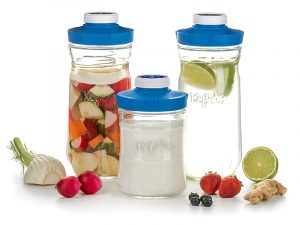

Get your Kefirko kefir fermenter here.


